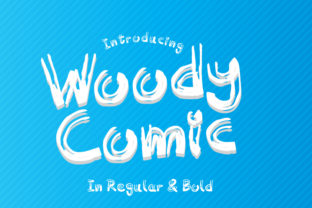
Woody Comic Font for Web Design
Working on a new project for a boutique online store, I needed a font that felt approachable yet distinctive. Woody Comic caught my eye with its playful, handcrafted vibe. It’s a sans serif typeface that blends casual energy with a touch of authenticity, making it perfect for digital layouts that want to feel personal and engaging.
Visual Characteristics and Personality
Woody Comic has a unique look that leans into the idea of a hand-painted sign or a chalkboard message. The contrast between thick and thin strokes gives each letter a sense of movement, as if it were drawn with a brush. This makes it stand out in headings and display text while still maintaining a clean, modern aesthetic.
The font feels like it was made for creative projects—think art galleries, indie brands, or community-driven websites. It’s not overly formal, which is great for designs aiming to feel more human and less corporate. Its personality works well in both light and dark backgrounds, offering flexibility in visual storytelling.
Real-World Application
I tested Woody Comic on a hero section of a coaching website. The headline stood out without overwhelming the page. It paired well with a simple sans serif for body text, creating a clear visual hierarchy. The font added a friendly tone that matched the brand’s mission of helping people grow through self-awareness.
On a product landing page, I used Woody Comic for a call-to-action button. The bold, uneven strokes gave it a tactile feel, making the button more inviting. It worked especially well when placed over an image banner, where the texture of the font complemented the visual elements without clashing.
Readability and User Experience
While Woody Comic is highly decorative, it’s best suited for short phrases and headlines rather than long paragraphs. On mobile screens, I noticed that smaller text could become hard to read, especially on dark backgrounds. To keep things legible, I limited its use to larger sizes and ensured there was enough spacing between letters and lines.
For responsive layouts, I kept the font as a display typeface, using it only for key elements like logos, headings, and buttons. This helped maintain performance and avoid issues with slow-loading fonts. When paired with a clean, neutral sans serif, it created a balanced design that felt professional yet expressive.
Best Use Cases
Woody Comic shines in areas where a bit of character is needed. It’s ideal for creative portfolios, where the font can add a personal touch to project titles and descriptions. For an online shop, it works well on banners and promotional tags, giving products a more artisanal feel.
In a blog redesign, I used it for headers and subheaders, which helped break up content and draw attention to key sections. It also worked well in social media graphics, where the font’s irregular shapes added visual interest without distracting from the message.
Font Pairing and Branding
When pairing Woody Comic with other fonts, I found that it pairs well with simple, modern sans serifs. This creates a contrast that keeps the design from feeling too chaotic. For editorial-style sites, I experimented with a serif font for body copy, which gave the layout a more traditional, refined look.
For a digital brand kit, I used Woody Comic as the primary display font, reserving a clean sans serif for secondary text. This helped establish a consistent identity across different platforms, from website headers to email templates.
Practical Considerations
Before using Woody Comic on a live site, I checked its webfont availability and file formats. It came with multiple weights and styles, which made it easier to adjust for different design needs. I also verified that it supported multilingual characters, which was important for a global audience.
Commercial licensing was straightforward, allowing me to use it across client projects and online stores. For a course sales page, this meant I could apply the font consistently without worrying about legal issues.
Overall, Woody Comic is a versatile choice for designers looking to add a touch of personality to their digital work. Whether you’re building a boutique store, a coaching website, or a creative portfolio, it offers a fresh, authentic look that stands out without being overwhelming.